
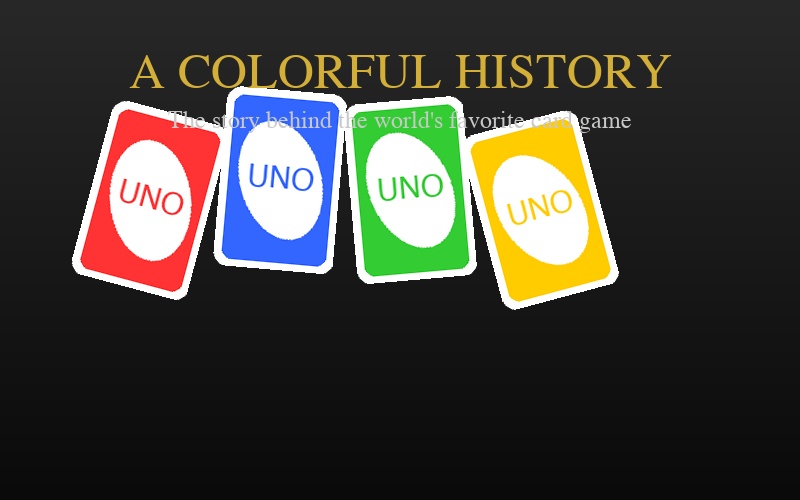
Uno is perhaps the most universally recognized card game of the last fifty years. But its origins are surprisingly humble, beginning in a barbershop in Reading, Ohio.
A Barbershop Invention
In 1971, Merle Robbins, a barber, invented Uno to resolve an argument with his son about the rules of Crazy Eights. He designed a deck of cards that explicitly printed the rules on the cards themselves. The family loved it so much that Robbins spent $8,000 to have 5,000 decks printed, which he began selling from his barbershop.
The Evolution of the Meta
What makes Uno fascinating today isn't just the printed rules, but the house rules that players have layered on top of it. The infamous "stacking" rule—where a Draw Two can be played on another Draw Two, passing the penalty to the next player—is officially denied by Mattel, yet widely played.
The game has spawned countless variants, from Uno Flip to Uno No Mercy, but the core mechanic remains the same: color matching, number matching, and the inevitable betrayal of your friends with a Draw Four Wild card.
As we look back at Uno's history, it stands as a testament to the power of accessible game design. It requires no setup, can be taught in two minutes, and instantly generates a highly emotional, competitive environment.